
2026-09-24 ·
What to Do When Your Well Pump Is Running but You Have No Water
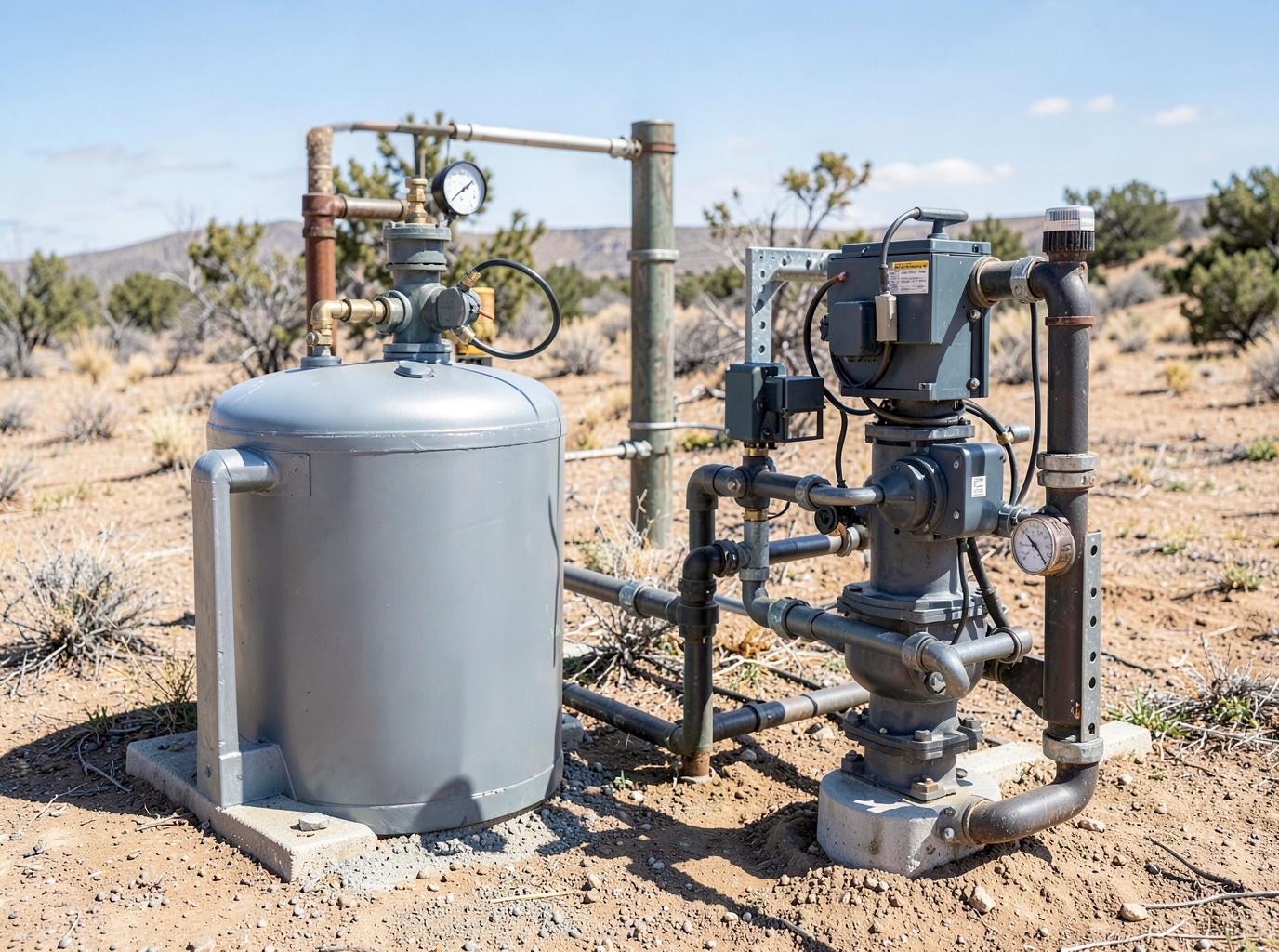
When your well pump runs continuously but no water reaches the taps, the problem typically stems from a failed pressure tank, stuck check valve, or worn pump components rather than a complete power loss. In Ellensburg and surrounding Kittitas County properties, these symptoms appear more often during seasonal temperature swings that stress older systems. Start by confirming the pump is actually running and that the pressure gauge shows movement; if pressure builds without water delivery, the issue lies downstream from the pump itself.
Common Causes of Pump Running Without Water Output
Several mechanical failures produce this exact symptom pattern. A ruptured bladder inside the pressure tank allows the pump to run without building usable pressure, while a leaking or stuck check valve lets water drain back into the well. Clogged intake screens or mineral buildup in the drop pipe can also restrict flow even when the motor operates normally. In rural Kittitas County homes, sediment from local aquifers sometimes accelerates wear on these parts. Property owners may notice the pump cycling on and off rapidly or running for long periods without any change at the faucet. These patterns help narrow the diagnosis before a technician arrives.
Safe Observations Homeowners Can Make First
Begin with non-invasive checks only. Listen at the pressure tank for the pump motor sound and watch the pressure gauge needle; steady climbing pressure without water at fixtures points away from electrical problems. Verify that all valves between the tank and house remain fully open and that no recent construction has disturbed lines. Note whether the issue affects every fixture or only certain areas. Avoid opening control boxes or attempting to reset switches. These simple observations give a qualified well-pump professional useful starting information when you request service through a local resource such as Well System Diagnostics.
When Professional Diagnosis Becomes Necessary
If the pump continues running without producing water after basic valve and gauge checks, contact a specialist promptly. A technician can isolate whether the problem requires Well Pump Repair or full replacement. In Ellensburg-area wells, access limitations and depth often determine whether a submersible unit can be serviced in place or must be pulled. Attempting further troubleshooting risks damaging electrical components or contaminating the well. Professional testing also checks for issues like a failing pressure switch or wiring faults that homeowners cannot safely inspect.
Repair Versus Replacement Considerations
Technicians evaluate pump age, flow rate, and overall system condition to recommend repair or replacement. Minor valve or pressure-tank work often restores function, yet older pumps with multiple worn parts may justify swapping the entire unit. Local factors such as well depth and water quality influence the decision. Property owners weighing options can review typical cost ranges and variables in the article How Much Does Well Pump Repair Cost in Central Washington?. Quotes vary by parts availability, labor time, and site access.
Steps to Prevent Recurring No-Water Issues
Regular system monitoring helps catch problems early. Watch for changes in pressure consistency or unusual pump sounds, and schedule periodic inspections of the pressure tank and check valve. In areas with hard water like parts of Kittitas County, mineral buildup can shorten component life. Homeowners who notice early warning signs such as short cycling should consult resources like 7 Signs Your Well Pump or Pressure Tank May Be Failing before a complete failure occurs. Keeping records of past service also speeds future diagnostics.
Need help with a well-pump problem in Ellensburg or Kittitas County? Find local well-pump help.