
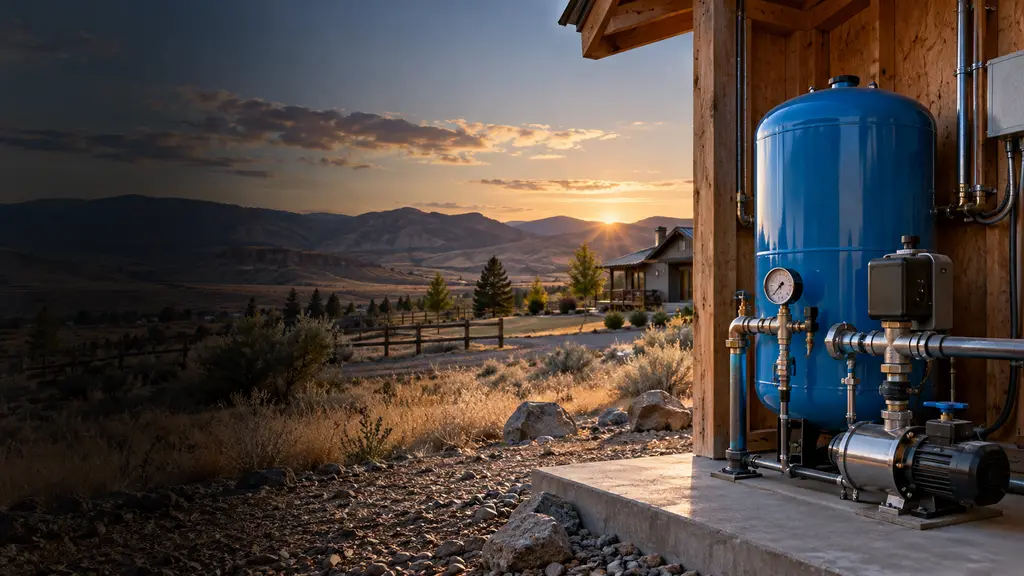
Homeowners in Ellensburg often notice sudden loss of water pressure, air sputtering from faucets, or complete loss of flow from taps. These symptoms usually point to issues with the pump, pressure tank, or controls rather than the well itself. Early recognition prevents further strain on the system during Kittitas County’s dry summers.
Likely causes include a worn pressure switch, failing motor, clogged intake screen, or electrical faults in the control box. A qualified provider checks these components without requiring the homeowner to open panels or caps. They also consider whether the pump has reached the end of its service life based on age and usage patterns common in the area.
Repair versus replacement depends on the extent of wear, parts availability, and overall system condition. Providers evaluate flow rates, electrical draw, and tank performance to give clear options. Homeowners can then describe the problem to arrange an assessment with a local provider.
Why diagnose the whole system
Well problems often show up somewhere other than where they start. A waterlogged pressure tank makes the pump short-cycle and wear out early; a failing pressure switch can look like a dead pump; and a well that has drawn down in late summer can look like a pump that has lost power. Testing the pump circuit, pressure switch, tank pre-charge and well recovery together avoids replacing parts that were not the problem. For a complete loss of water, use the emergency no-water checklist first.
What well system diagnostics typically cover
✓Pressure Switch Testing
Checks the switch that turns the pump on and off to confirm it responds correctly to pressure changes.
✓Pump Motor Assessment
Evaluates motor function and electrical connections to identify if the pump can still operate reliably.
✓Flow Rate Evaluation
Measures water output at the tap to determine whether the pump and piping are delivering expected volume.
✓Control Box Inspection
Reviews capacitors, relays, and wiring in the control box for signs of failure or overheating.
How it works
- 1
Describe the Symptoms
Note when water loss occurs, any unusual sounds, and how long the issue has persisted.
- 2
Review the Well System
Examine visible components like the pressure tank and gauge for obvious problems.
- 3
Provider Evaluates the Cause
A local technician tests the pump, controls, and electrical supply to pinpoint the fault.
- 4
Discuss Repair or Replacement Options
Review findings and compare costs and benefits of fixing versus installing new equipment.
What affects the cost
A diagnostic visit is usually priced separately from the repair it leads to. Travel to rural property and how many components need testing affect the total. See typical well repair costs in Central Washington.